Coloured Contacts on the Red Carpet: What We Can Actually Verify
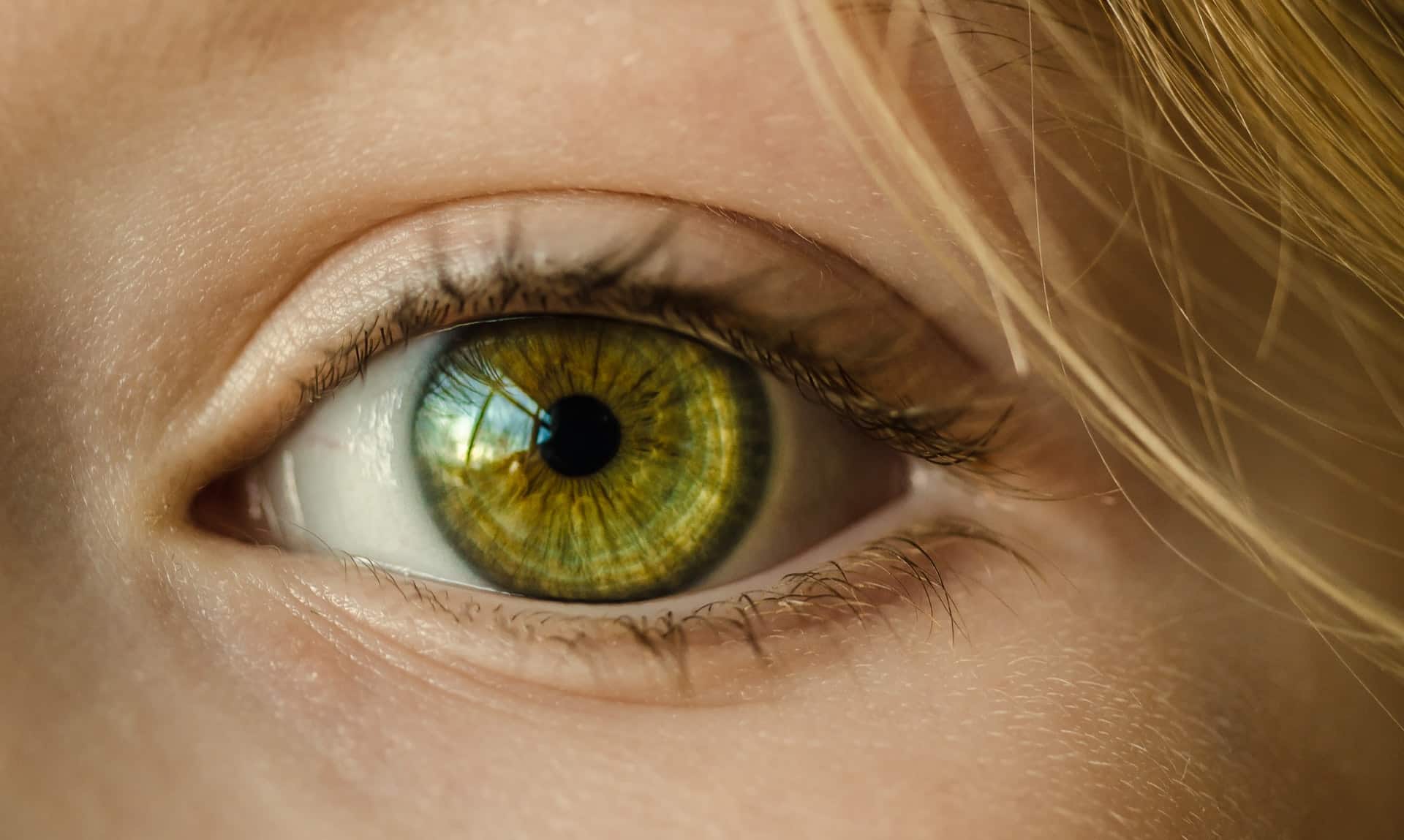
A celebrity appears under a wall of flashbulbs with unusually bright eyes, and the internet immediately announces a verdict: coloured contact lenses. Another photo appears in different light, and suddenly the verdict changes. The confidence is impressive. The evidence is usually a pixelated close-up and a comment section doing its best impression of an ophthalmologist.
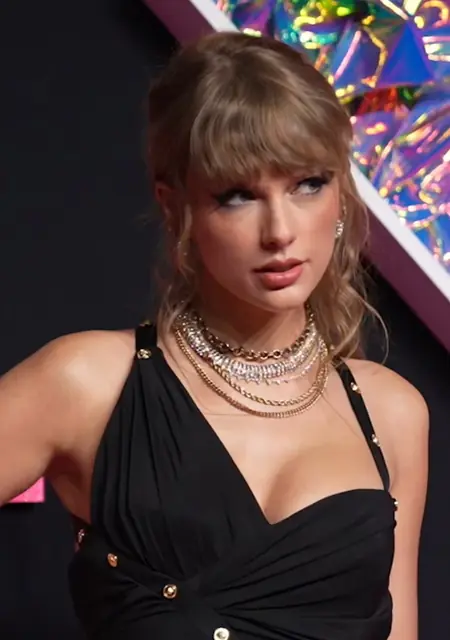
Coloured contacts absolutely exist in fashion, film, music videos, and costume design. What a photograph cannot reliably tell us is whether a particular person’s eye colour came from lenses, lighting, editing, makeup, or their own eyes. Unless the wearer, their team, or a reliable production source confirms it, naming celebrities as lens users is guesswork. That is a flimsy foundation for a story and a strangely personal thing to insist we can diagnose from a red carpet image.
Why eye colour changes in photographs
Light is the first suspect. A face photographed in daylight can look different under warm event lighting, a stage spotlight, or a phone flash. Camera settings, colour grading, and compression add their own small changes. Makeup and clothing can make an iris seem brighter by contrast. A carefully edited beauty campaign can alter just about anything. If two images of the same person show different shades, you have found a reason to ask a question, not proof of a secret optical wardrobe.
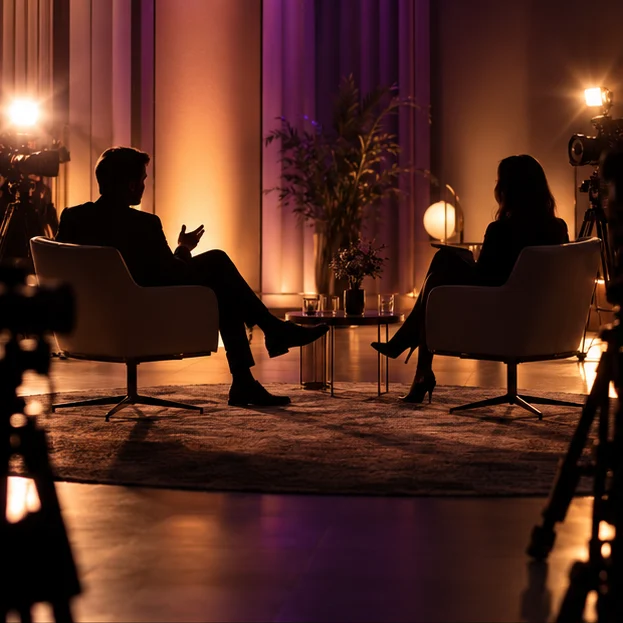
Film and television make the question more interesting. Costume departments may use lenses to support a character, a supernatural effect, or continuity. In those cases, a behind-the-scenes interview or credited production account can establish what was used. A fan account that circles an actor’s iris with a red arrow cannot. The arrow is doing excellent work as graphic design; it is not a source.
The look can be fun without a celebrity inventory
Blue, grey, green, violet, and theatrical designs can change the mood of a look. A subtle shade may read like a change in lighting; an opaque fantasy lens can turn a face into a character’s face. That creative range is why the trend keeps returning to fashion shoots and Halloween costumes. You can admire the visual idea without claiming a specific star wore a specific product on a specific date because a social post said so.
There is also an awkward side to ranking which eye colours are “astonishing.” Natural eyes do not need an upgrade, and a lens does not make a face more worthy of attention. The interesting question is what a stylist or performer is trying to communicate. Is the look icy, otherworldly, playful, or deliberately strange? An eye accessory can contribute to that storytelling in the same way a wig or a dramatic shadow does. It is not a beauty referendum.
Before trying the look yourself
Here is the part that deserves more seriousness than a celebrity slideshow usually gives it. In the United States, the Centers for Disease Control and Prevention says decorative contacts are medical devices that require a prescription and proper fitting. They can cause eye infections or injury when bought or worn carelessly. A lens sold as “cosmetic” or “non-prescription” is still placed directly on your eye. Marketing language does not turn the cornea into a low-stakes accessory rack.
Follow guidance from an eye-care professional, use a legitimate seller, clean and store lenses as instructed, and never share them. Do not sleep in a pair unless your clinician specifically says it is appropriate. If a lens hurts or your vision changes, remove it and seek professional advice. The goal is a striking photograph, not a memorable trip to urgent care. Safety rules are less glamorous than a campaign image, but they have the advantage of letting you keep enjoying the image afterward.
How to talk about a celebrity look honestly
Say what you can see: “The eyes appear bright blue in this portrait,” or “The character has an unusual eye look in the film.” If a credible source confirms lenses, say so and link it. If you are speculating, label it as speculation. These little distinctions make entertainment coverage more trustworthy. They also leave room for the people in the photographs to describe their own choices, which feels like a reasonable courtesy.
The most stylish part of this topic is the craft behind a look, not the detective game around a stranger’s eyeballs. Notice the lighting, makeup, costume, and performance. Enjoy the fantasy. Then let evidence, rather than a suspiciously enthusiastic zoom tool, decide what you publish as fact. The red carpet is already dramatic enough without inventing contact-lens confessions on its behalf.
From the Salty desk
Pop culture, internet chaos, and the details your group chat missed. Served with a little bite.
More from the desk ↗