
7 Shakespeare Characters Whose Lives We Would Happily Skip
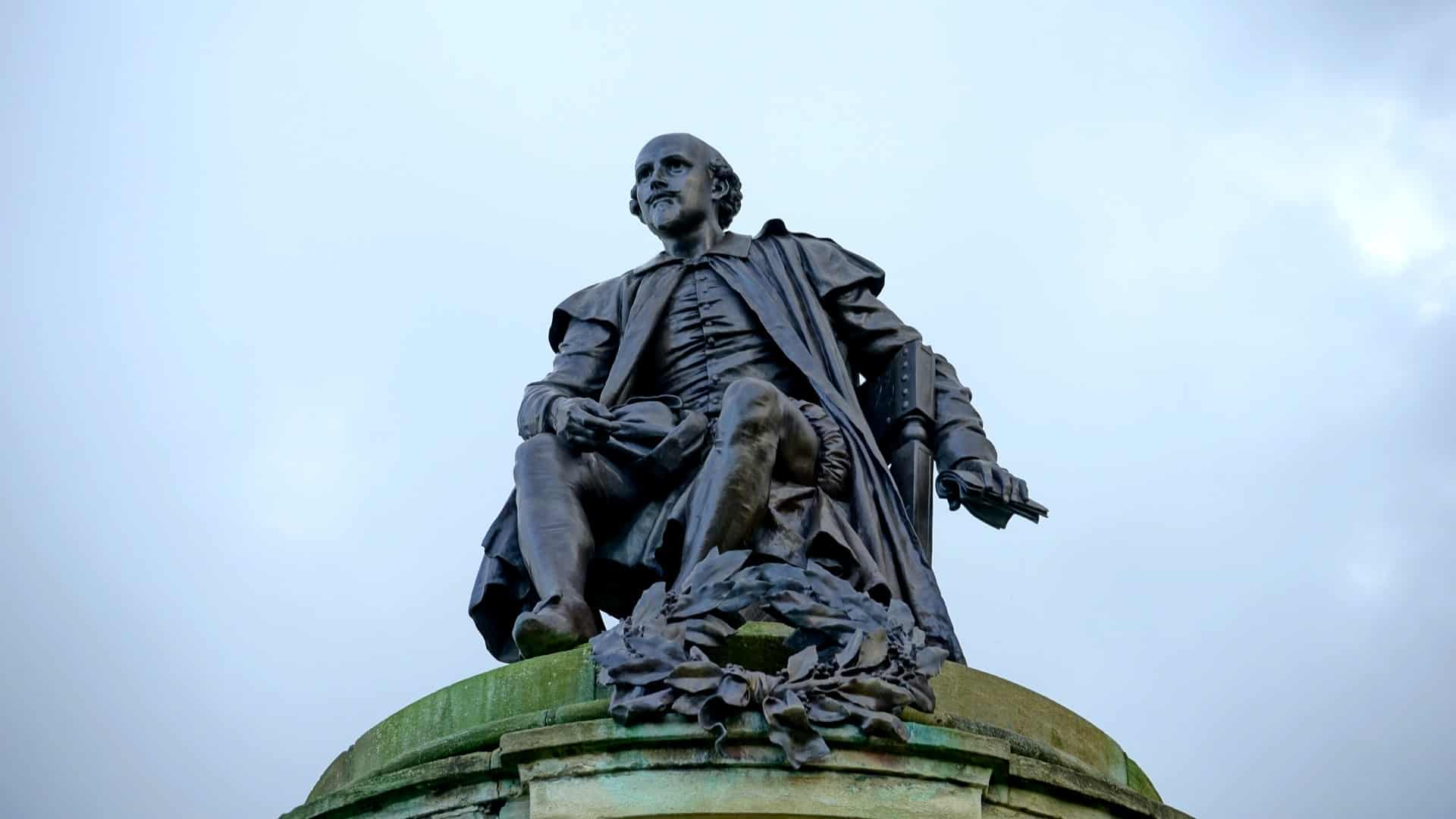
Shakespeare wrote characters who could fill a theatre with one speech and ruin their own lives before the interval. That is excellent drama and a terrible personal development plan. If you could step into one of his plays, you might enjoy the costumes for approximately five minutes. Then somebody would demand a marriage, a confession, a crown, or a pound of flesh, and the itinerary would become less appealing.
These seven figures are fascinating to watch and difficult to inhabit. Some cause harm; others are trapped by it. That distinction matters. “I would not want to be this character” is not the same as saying the character deserves what happens. Shakespeare’s stage is full of pressure, prejudice, bad information, and choices made when nobody has slept enough.
1. Shylock in The Merchant of Venice
Shylock is a Jewish moneylender in a Christian society that insults and excludes him. His demand for the bond is cruel, but a reading that sees only a villain misses the hostility surrounding him. The Folger Shakespeare Library discusses how strongly his alienation can shape a production. Living in his position would mean facing contempt long before the courtroom scene. It would also mean making a terrible choice under that pressure. Neither part is comfortable. A comedy that ends in marriages can leave one character with very little to celebrate.
2. Lady Macbeth in Macbeth
Lady Macbeth sees a possible crown and decides ordinary patience is for other households. Her early certainty is dramatic, persuasive, and spectacularly bad for her peace of mind. She urges Macbeth toward murder, then discovers that power cannot simply wipe away the knowledge of how it was obtained. The character’s collapse is often played as a sudden punishment, but it is also a study in how a person can be undone by actions she once believed she could manage. The palace may have excellent rooms. It has no reliable place to hide from conscience.
3. Brutus in Julius Caesar
Brutus wants to believe he is acting for Rome, not for personal advantage. That makes his decision to join Caesar’s assassins more tragic, because he does not experience it as a simple grab for power. Once the deed is done, a public speech, rival loyalties, and war take over. He is a reminder that good intentions can be manipulated and that political violence does not become clean because its author has written himself a noble explanation. Imagine having to defend your most irreversible decision to a crowd that has just heard Mark Antony speak. Hard pass.
4. Othello in Othello
Othello is a respected general whose trust is deliberately poisoned by Iago. The tragedy is not that jealousy arrives from nowhere. It is that insinuation, insecurity, and a refusal to ask the right person the right question combine with devastating consequences. He becomes responsible for an act of violence against Desdemona, who deserves more than to be treated as a clue in somebody else’s argument. To inhabit Othello would be to feel certainty growing as evidence gets worse. That is frightening because the play makes the process painfully legible.
5. King Lear in King Lear
Lear asks his daughters to turn love into a public competition and then responds badly when the most honest answer does not flatter him. He gives away power while assuming he can keep its comforts, which is not a retirement plan so much as a spectacularly expensive misunderstanding. The resulting betrayals and losses strip him of status and certainty. He becomes more capable of seeing other people’s suffering, but the education comes at a brutal cost. We can admire the character’s growth without volunteering for the weather, the family meeting, or the consequences of that opening speech.
6. Claudius in Hamlet
Claudius has the crown, the court, and a murder sitting underneath both. His position requires constant management of appearances while Hamlet circles the truth. That is a lot of work for a man who has already made the worst possible opening move. The play gives him moments of fear and self-knowledge, but awareness is not the same as repair. He cannot enjoy what he has gained without seeing the crime that made it available. The castle is crowded with observers and still somehow nobody communicates clearly until it is too late.
7. Caliban in The Tempest
Caliban is often introduced through the insulting language other characters use about him. That is a reason to slow down, not to repeat their verdict as fact. He lives under Prospero’s control on an island he considers his own, and his anger is part of a play about possession, power, and who gets to tell the story. He also threatens harm, and the text does not demand that we excuse it. Living in his position would mean having your body, home, and voice defined by people with more power. It is a difficult role, not a simple monster costume.
Shakespeare is still rewarding because these characters resist the tidy labels we try to give them. You can argue about their choices, recognise the forces acting on them, and change your mind after a different performance. Read the plays, or watch how actors make those tensions visible. Then be grateful that your own bad day probably does not end with a poisoned cup, a civil war, or an island dispute lasting four centuries. The Folger’s play collection is a good place to begin.
From the Salty desk
Pop culture, internet chaos, and the details your group chat missed. Served with a little bite.
More from the desk ↗