BTS’s V walks into a room and the camera crew forgets its job
BTS member V has a distinctive camera presence. Here is why a performance still deserves more attention than a perfect freeze-frame.
The pause button has a fan club
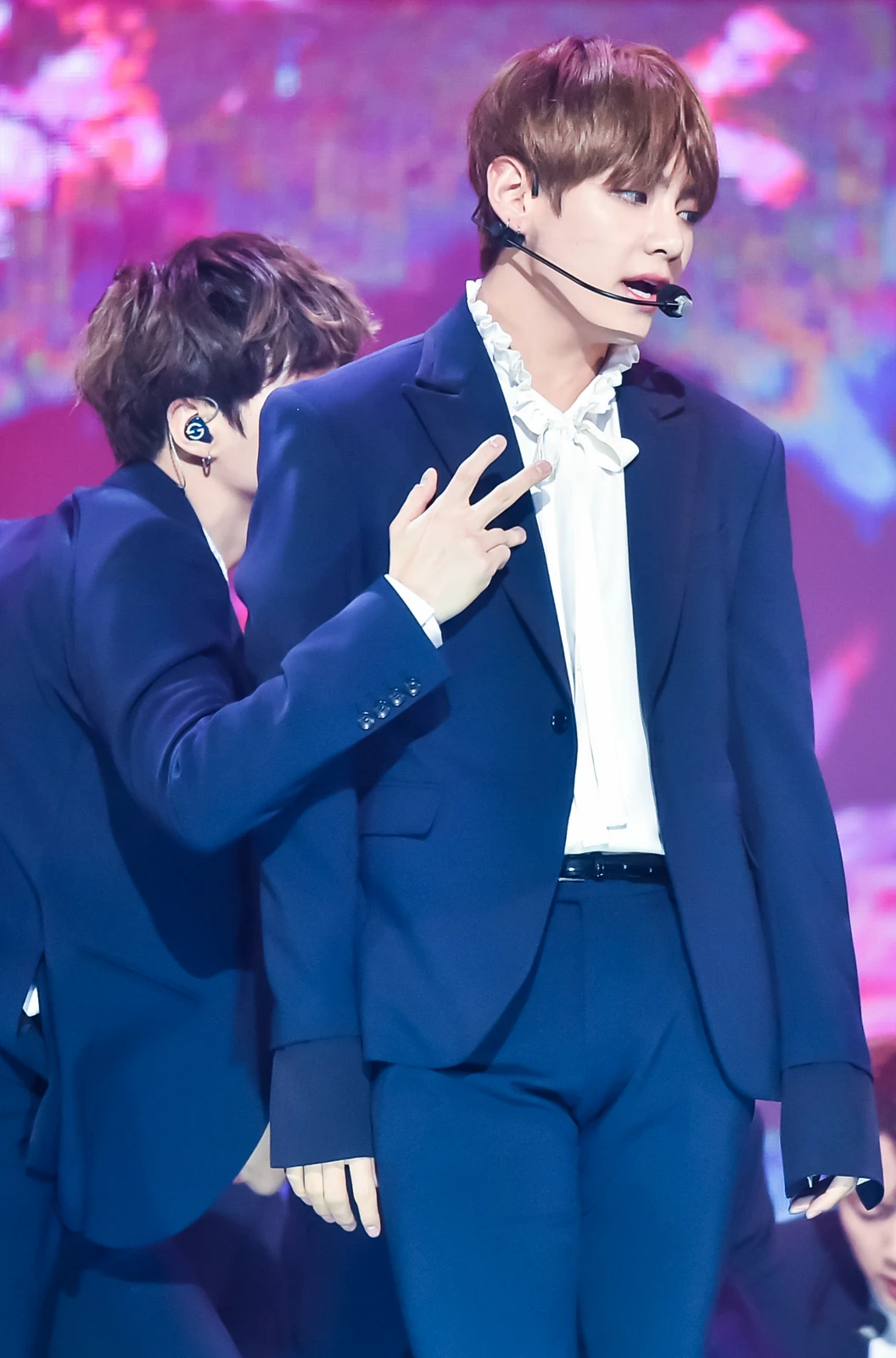
A performance is meant to move, but K-pop fandom has become impressively skilled at making a single frame travel the world. A turn of the head becomes an edit. A close-up becomes a reaction image. BTS member V has the kind of screen presence that makes those tiny moments especially easy to circulate. The camera finds a face, the internet finds an entire aesthetic and somebody somewhere is rearranging their photo folder before the song has ended.
That can be fun. It is also a slightly odd way to talk about an artist whose work happens in time, in sound and alongside other performers. A beautiful still cannot show how someone handles a transition, works within a group formation or changes the energy of a live stage. It is a souvenir of the performance, not the performance itself. A camera operator can capture a striking image; the artist has to create the moment that makes the image worth keeping.
Presence is more than a face
Stage presence is one of those phrases people use when they know a performance held their attention but cannot yet explain why. Look more closely and the components become visible. Timing matters: a glance at exactly the right beat can change a whole phrase. Stillness matters too. In a field full of movement, the performer who knows when to hold back can draw the eye without trying to win an imaginary sprint across the stage.
V’s appeal to viewers includes an ability to suggest a mood without needing every second to be maximal. That is an interpretation of the performance, not a claim to know the person behind it. Good commentary should keep that boundary clear. Fans are welcome to describe the feeling a stage creates; none of us gets a reliable psychological profile from a fancam. The performer is doing public work. The private person remains private, even when the camera is very good at its job.
Group performance complicates the story in a useful way. A BTS stage is not a sequence of isolated individual moments. Members respond to choreography, music, camera direction and one another. A fan edit may focus on V, but the full arrangement gives his choices context. Watch the wide shot after the close-up. Notice what the others are doing. The performance becomes richer, and the internet’s favourite three-second clip finds its proper place within it.
Enjoy the edit, then press play
Fandom has a visual language of its own, and we are not here to confiscate anyone’s favourite slow-motion montage. Edits can introduce a new listener to an artist, preserve an exciting stage moment or simply brighten a commute. They become less useful when they replace the music and the live work with endless evaluation of someone’s appearance. An artist should not have to remain photographically perfect in every frame to earn attention.
So here is our gentle roast of the collective camera roll: stop treating every blink like a new artistic era. Watch the whole performance, hear the song and appreciate the decisions that made the clip possible. Then save the photograph if you still love it. V’s camera presence is part of the appeal, but the larger achievement is the craft behind the moment. The lens may be charmed. It still needs a stage worth pointing at.
One more thought
There is a second kind of attention worth giving the people behind the lens. Camera directors, editors, lighting teams and choreographers shape what a viewer remembers. If a close-up feels perfectly timed, that timing may be the meeting point of a performer’s choice and a crew member’s decision. A wide shot can reveal the geometry that made the close-up possible. Taking the production seriously does not make the moment less magical; it makes the work easier to admire. The next time a clip of V arrives with a caption declaring that he “did nothing,” see whether that is actually true. Perhaps he used a pause, a glance or a change in posture with unusual precision. “Nothing” is an unfair review of skilled restraint. And if the clip really is simply a pleasant photograph, that is fine too. It does not need a conspiracy, an era name or a dissertation on what the person was thinking.
From the Salty desk
Pop culture, internet chaos, and the details your group chat missed. Served with a little bite.
More from the desk ↗