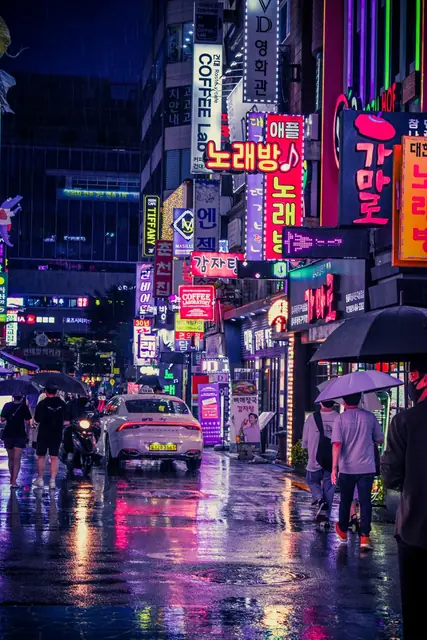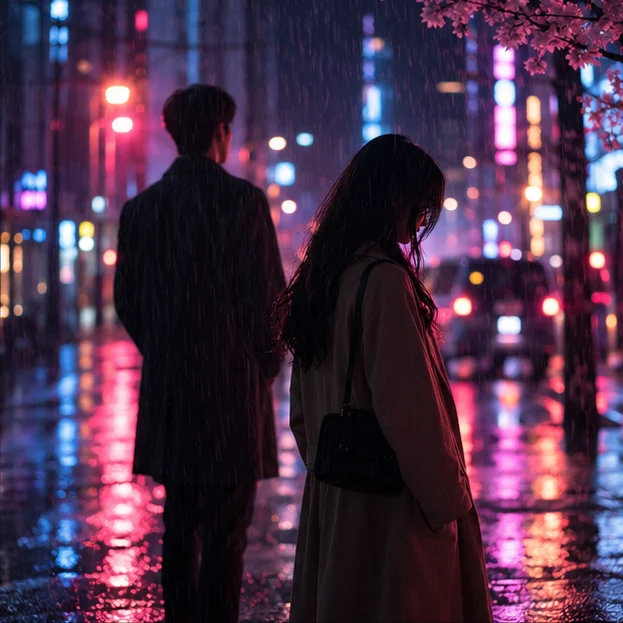
Fans wanted a happy ending. The writers chose violence.
A satirical love letter to the fictional K-drama finale that leaves its audience needing a second finale and a support group.

Episode sixteen has a lot to answer for
For fifteen episodes, our entirely fictional drama has asked us to care about its characters, decode its secrets and forgive a few plot decisions that should have been sent back to the writers’ room with a polite note. The final episode arrives. We make tea. We expect resolution. Instead, the camera holds on an open door, a meaningful look and a piece of music that seems to say, “You can finish the story yourself.” Excuse us? We have already done sixteen hours of unpaid emotional labour.
This is satire about a familiar kind of ending, not criticism of a particular real series. Ambiguity can be powerful. A story about uncertain choices may honestly end without a neat answer. The problem comes when an ending withholds the one piece of information the entire plot taught viewers to expect, then calls the absence profound. Leaving a question open is an artistic choice. Forgetting to answer it because the credits are due is something else.
The difference between open and unfinished
An open ending gives the audience enough material to imagine more than one meaningful future. The characters have changed, the central conflict has a shape and the unresolved question feels intentional. An unfinished ending simply removes a final scene and hands the audience a calculator to work out whether anyone is happy. One invites interpretation. The other invites a long post beginning with “Did I miss an episode?”
You can often tell which one you have by asking what the finale adds. Does it complicate an earlier choice in a thoughtful way? Does it reveal a new cost of the characters’ decisions? Or does it introduce a last-minute problem that exists chiefly to keep the theories alive? A cliffhanger can be exciting when another chapter is promised. As the final word on a completed story, it needs a much stronger reason than “people will discuss it online.”
Discussion, of course, is exactly what happens. Fans build timelines, compare props and magnify an actor’s final expression until a glance becomes a binding legal agreement. Theories can be creative and communal; they can also become a substitute for the satisfying ending viewers hoped the series would provide. When a fan-written explanation needs three diagrams and a spreadsheet, the writers may have left slightly too much room for participation.
A sad ending can still be good
The complaint is not that every couple must kiss in the rain while the supporting cast applauds from a tasteful distance. Tragedy can be earned. Bittersweet closure can honour a difficult story. A character can choose themselves instead of a relationship, and that may be the most hopeful possible conclusion. What matters is whether the final choice follows from the people we have watched, rather than appearing because someone in production thought sadness would look prestigious.
Our imaginary finale gets a loving but firm note from the Salty desk: trust your audience enough to finish the thought. We can handle complexity. We can even handle heartbreak. We would simply like the story to know the difference between leaving us with something to think about and leaving us to do the last draft. Until then, the group chat will continue its forensic analysis. Someone has already circled the open door in red and called it character development.
One more thought
A fair finale test is to ask whether the ending changes how you understand the beginning. A strong final scene can make an earlier promise feel wiser, sadder or more complicated. Even a painful ending can offer that kind of shape. A weak one simply stops, leaving fans to treat accidental details as missing instructions. The difference matters because viewers have given the story attention, time and a frankly unreasonable amount of hope for the secondary couple. They do not need every wish granted. They do deserve an ending that seems aware of the questions the series itself raised. Our imaginary writers are free to break hearts; they just need to show their working. If the last episode is going to leave an open door, make sure the characters have reached it for a reason. Otherwise the internet will write twelve alternate endings, and several of them may be better.
From the Salty desk
Pop culture, internet chaos, and the details your group chat missed. Served with a little bite.
More from the desk ↗