Shah Rukh Khan’s Mannat wave is the most reliable show in Mumbai
No ticket, no trailer, no interval. Just a crowd on Bandstand, a wall, and the most famous pair of open arms in Indian cinema.
A free show with a very long queue
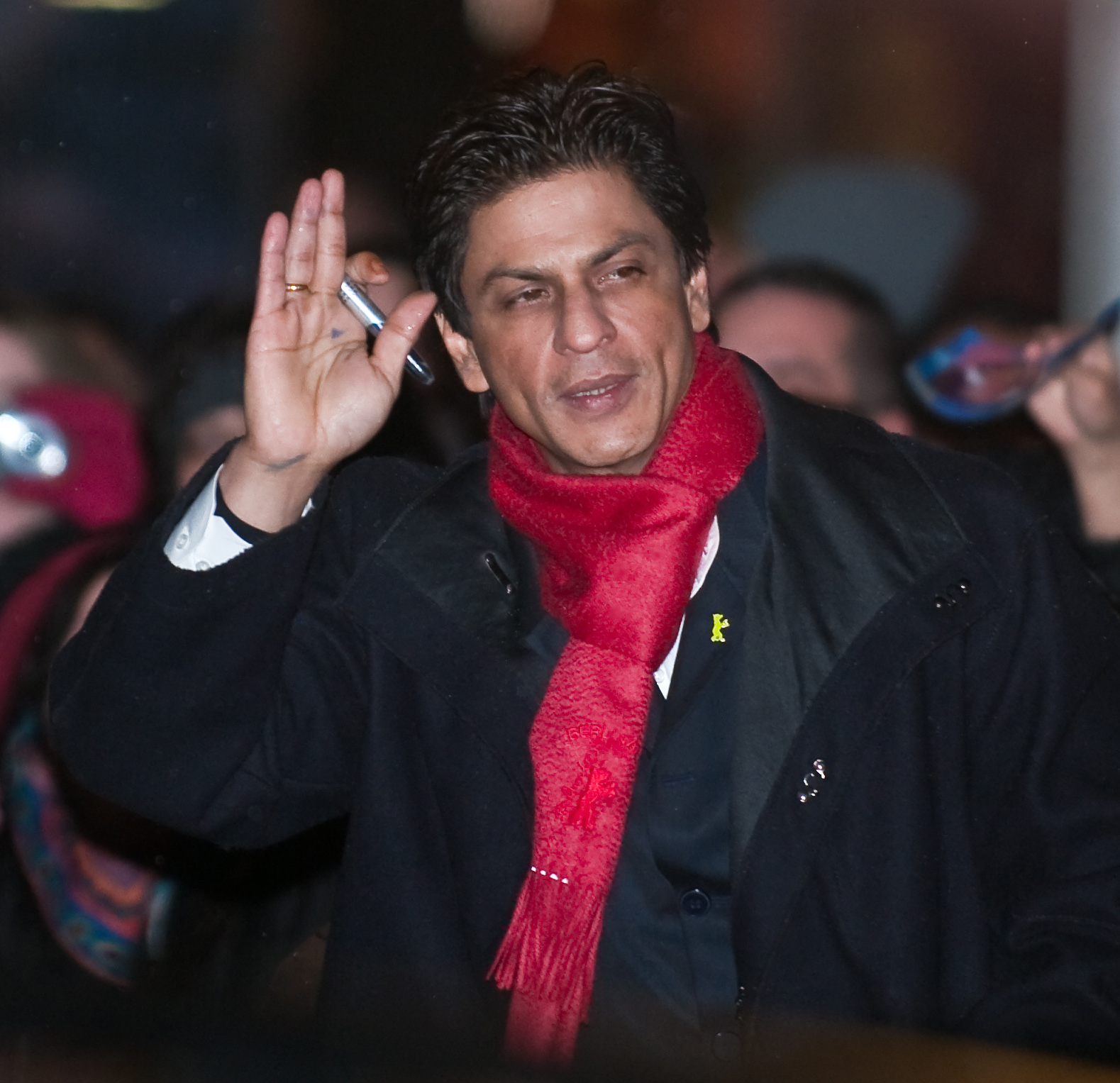
Every city has a landmark that tourists insist on photographing. Paris has a tower. Agra has a monument to eternal love. Mumbai has a gate on Bandstand in Bandra, where thousands of people regularly stand on a seafront road, phones raised, waiting for a man to come out and wave at them. The man is Shah Rukh Khan. The house is Mannat. And the event, which happens most famously on his birthday on 2 November and around Eid, is one of the strangest and most charming rituals in Indian celebrity culture.
Let us be clear about what is being offered here. There is no film. There is no song. There is no dialogue delivery, no slow-motion walk, no helicopter. A very famous actor appears above a crowd, smiles, waves, does the arms-wide-open pose that has followed him since the 1990s, blows a few kisses and goes back inside. In terms of runtime, it is shorter than most advertisements before a movie. In terms of emotional return on investment, fans would argue it beats several entire franchises.
The pose that launched a thousand selfies
The open-arms pose deserves its own chapter in a cultural history textbook. It is the visual shorthand for Shah Rukh Khan the romantic hero: chest forward, arms flung wide, head slightly tilted, as if a mustard field might appear behind him at any moment. It has been parodied, meme-d, recreated at weddings and attempted by uncles who should have stretched first. When he does it from the wall at Mannat, the crowd responds as though the entire back catalogue has been played in one second.
Part of the joke, and part of the magic, is that everyone knows exactly what is going to happen. Fans do not gather outside Mannat expecting a surprise. They gather for the reassurance of the familiar. In an industry where release dates move, franchises reboot and stars disappear behind publicists, there is something oddly comforting about a ritual that has stayed recognisable for years. You wait, he waves, you scream, you post. Civilisation continues.
A crowd management masterclass, with feelings
Of course, the romance comes with logistics. Bandstand is a narrow seafront road, not a stadium. Gathering a large crowd outside a private home is a public safety question as much as a fan moment, which is why police presence and barricades have long been part of the scenery. The wave itself is quick partly because it has to be. Anyone who has tried to leave that stretch of road after the crowd disperses will confirm that the real climax of the evening is finding an auto-rickshaw.
There is also a quieter etiquette to it. Fans who have done this before tend to bring patience, water and a realistic expectation of what their photo will look like. Spoiler: it will look like forty thousand other photos of a small figure waving in the distance, with someone else's phone in the corner of the frame. That is fine. Nobody goes to Mannat for photographic excellence. They go so that, years later, they can say they were there, in the crowd, when he waved.
Why this works when so much celebrity fandom does not
A lot of celebrity culture today is built on access that is carefully rationed and heavily produced. Stars appear on curated social media grids, in brand campaigns, at premieres behind velvet ropes. Fans interact with an image rather than a person. The Mannat wave is still managed, still public, still part of a very successful brand, but it feels unusually direct. The star comes to the fans' street rather than asking them to come to his platform.
It also fits the persona Shah Rukh Khan has built over decades: self-deprecating, a little theatrical, aware of the absurdity of fame and willing to play along with it. In interviews he has often joked about his own stardom, which makes the waving ritual feel less like a monarch greeting subjects and more like a performer giving a curtain call he knows is slightly ridiculous. The audience is in on the joke. That shared awareness is the secret ingredient.
A gentle roast for everyone involved
To the fans who arrive at noon for an appearance that will last a few minutes: your commitment is noted, your sunscreen less so. To the people who livestream the entire wait: no one is watching three hours of a closed gate, and yet somehow your comment section is full. To the relatives who forward the same blurry wave video to every family group every year: thank you for your service to Indian WhatsApp.
And to the man himself: the arms are still wide, the timing is still perfect, and the crowd still behaves as though a blockbuster just ended. Most stars need a script, a director and a budget to get that reaction. You need a wall and a wave.
The takeaway
The Mannat wave is not news in the traditional sense. Nothing is announced, nothing is confirmed, no scandal is born. That is exactly why it matters. In a culture that runs on leaks, rumours and outrage, it is one of the few celebrity rituals built entirely on goodwill. It costs nothing, it lasts a minute and it reminds a city that fandom can be joyful rather than combative. If the internet could learn one thing from Bandstand, it would be this: sometimes the best content is just showing up, waving and going home before anyone gets bored.
From the Salty desk
Pop culture, internet chaos, and the details your group chat missed. Served with a little bite.
More from the desk ↗