The screenshot is not the whole story, but the internet acts like it is
A cropped post can travel farther than its original context. The sensible response is curiosity with a browser tab open.
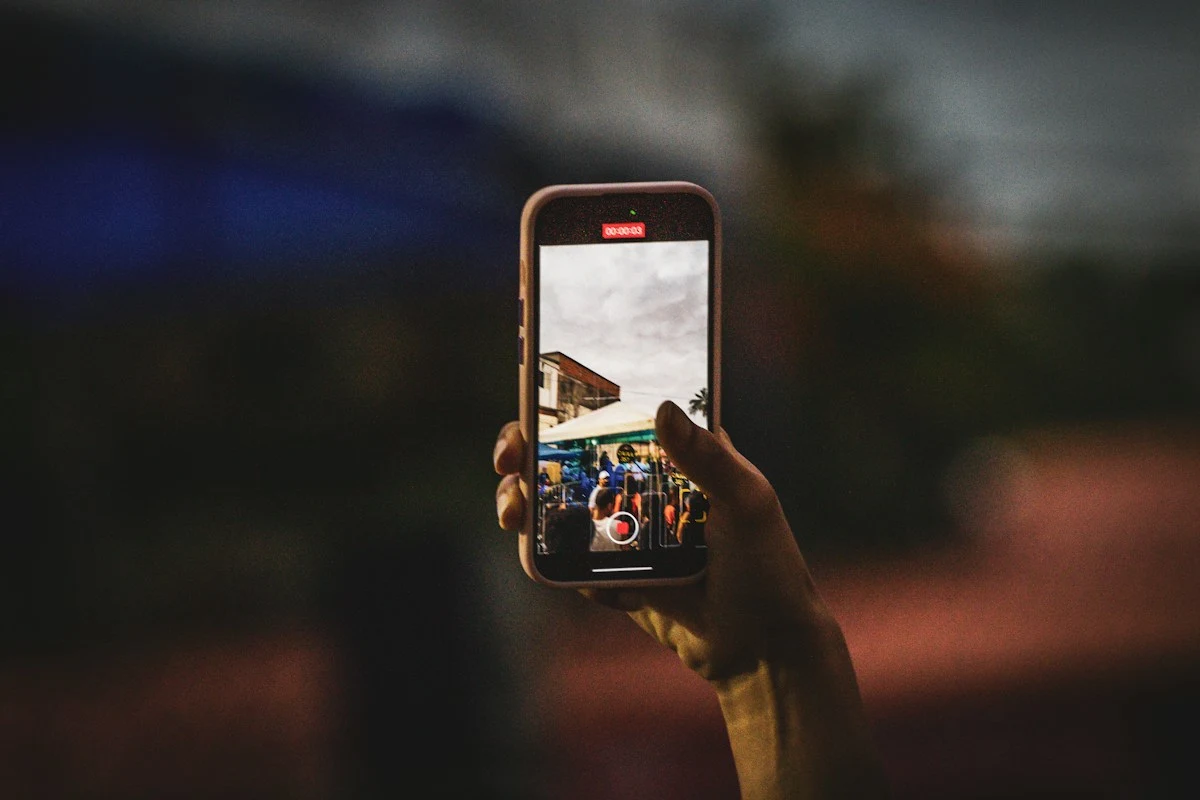
The modern internet has a favourite piece of evidence: a screenshot with exactly enough information to make you angry and just little enough to make checking inconvenient. A sentence appears in a rectangle. The account that shared it adds a caption beginning “I cannot believe this.” Someone else posts the rectangle without the caption. By dinner, the picture has become an exhibit in a trial where nobody has opened the original post, watched the complete video or even checked whether the date belongs to this year. The prosecution rests. The browser tab remains unopened.
Screenshots can be useful. They preserve a moment that might later change, and they help people discuss material that would otherwise be hard to find. They are also incomplete by design. A frame shows what somebody chose to capture. It does not show the previous sentence, the next reply, the full clip or the identity of the person who supplied the image. That does not make every screenshot false. It makes every screenshot a starting point rather than a finished explanation. The distinction is tiny enough to fit in a caption and important enough to prevent a week of nonsense.
The crop does a lot of talking
Imagine a post that says, “I thought the ending was terrible,” followed by, “until the final scene made me rethink it.” A crop of the first half produces a clear opinion that the writer never actually finished expressing. Video has the same problem at higher speed. Remove the question before an answer and a cautious response can look evasive. Remove the joke after a pause and a serious remark can appear cruel. Even an accurate image may be attached to the wrong date or presented as a response to a different event. Context is not a decorative border around the quote; it changes what the quote means.
Our brains are not helpless here, but they are busy. A screenshot arrives packaged as a conclusion, often with a reaction already supplied. If it fits a story we expect, checking feels like unnecessary paperwork. If it challenges a person we dislike, sharing can feel like helping. That is how a visual fragment becomes social proof before it has become evidence. The line “everybody is talking about this” then does the rest, as if volume were a substitute for a source. It is not. A thousand reposts can all point to the same missing paragraph.
Context tools help, but they are not magic
Platforms have tried to make context more visible. X describes Community Notes as a way for contributors to add information to posts that may benefit from it, with notes rated by other contributors before they appear broadly. A note can be useful, especially when it links to an original source. It is still one tool, not a universal truth machine. Notes may not exist for a particular post, may arrive after the first wave of sharing, or may address only one part of a larger claim. Readers still have to ask what the available evidence actually supports.
The easiest check is often embarrassingly ordinary: open the original link. If there is no link, search for a distinctive phrase from the image. Compare dates. Look for the complete clip on the creator’s own channel or a full transcript from an accountable publication. Ask whether the image includes an account name, a timestamp and enough surrounding text to understand the exchange. A source that cannot be found deserves more caution, not more imaginative reconstruction. Sometimes the answer is simply “I cannot verify this.” The internet will object because that sentence does not fit neatly on a reaction meme.
There is also a difference between verifying a quote and deciding what to think about it. The full context may confirm that a person said something objectionable. It may soften the meaning. It may make the situation stranger. Checking is not a promise to excuse anyone; it is a promise to criticise the thing that actually happened. That should appeal to anyone who enjoys a well-aimed roast. Bad information makes the joke weaker, not sharper.
The reward for slowing down
The timeline rewards speed, and a cautious person can feel as though they are arriving after the party. But most controversies do not need our opinion within three minutes of the first image. Waiting for the original source is an editorial choice with benefits. It protects the people being discussed from claims we cannot support, and it protects our own credibility when the missing context finally appears. Nobody wants to spend tomorrow deleting a triumphant thread because the screenshot turned out to be from a parody account with a suspiciously similar username.
We should also pay attention to who benefits from a crop. An account may be trying to draw attention to a genuine problem. It may be selling engagement. It may simply have made a mistake. We cannot read the motive from the pixels, but we can notice the presentation. Does the caption invite examination or demand instant outrage? Does it link to the material or ask us to trust the image alone? These questions do not solve every case. They give the reader a small amount of control in a system built to make reaction feel automatic.
Our take
Keep the screenshot. It can be a useful receipt. Just do not mistake the receipt for the whole meal, the waiter and the restaurant’s entire history. Read what came before and after. Trace the original when possible. If the claim is about a real person, especially one facing an accusation, raise the standard of proof rather than lowering it for entertainment. The internet can still be funny, fast and sharp when we do that. In fact, a joke informed by the full story usually lands better than one built around the edge of a crop.
From the Salty desk
Pop culture, internet chaos, and the details your group chat missed. Served with a little bite.
More from the desk ↗