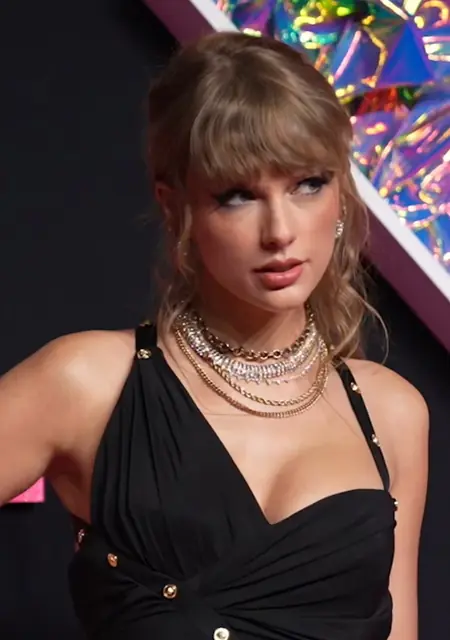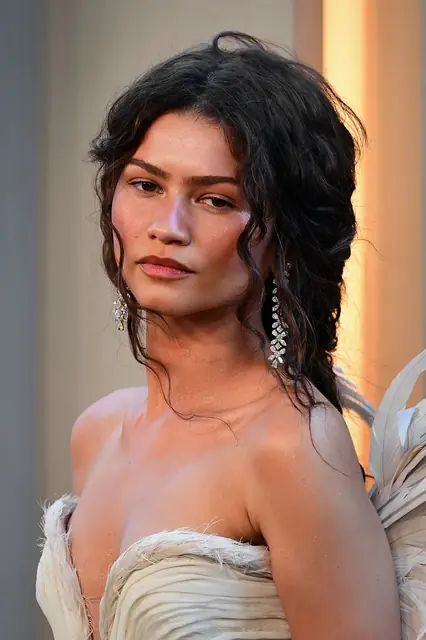
The celebrity airport outfit is a red carpet with a boarding pass
Airport fashion looks effortless until the outfit, the camera and the comment section all arrive at the same gate.
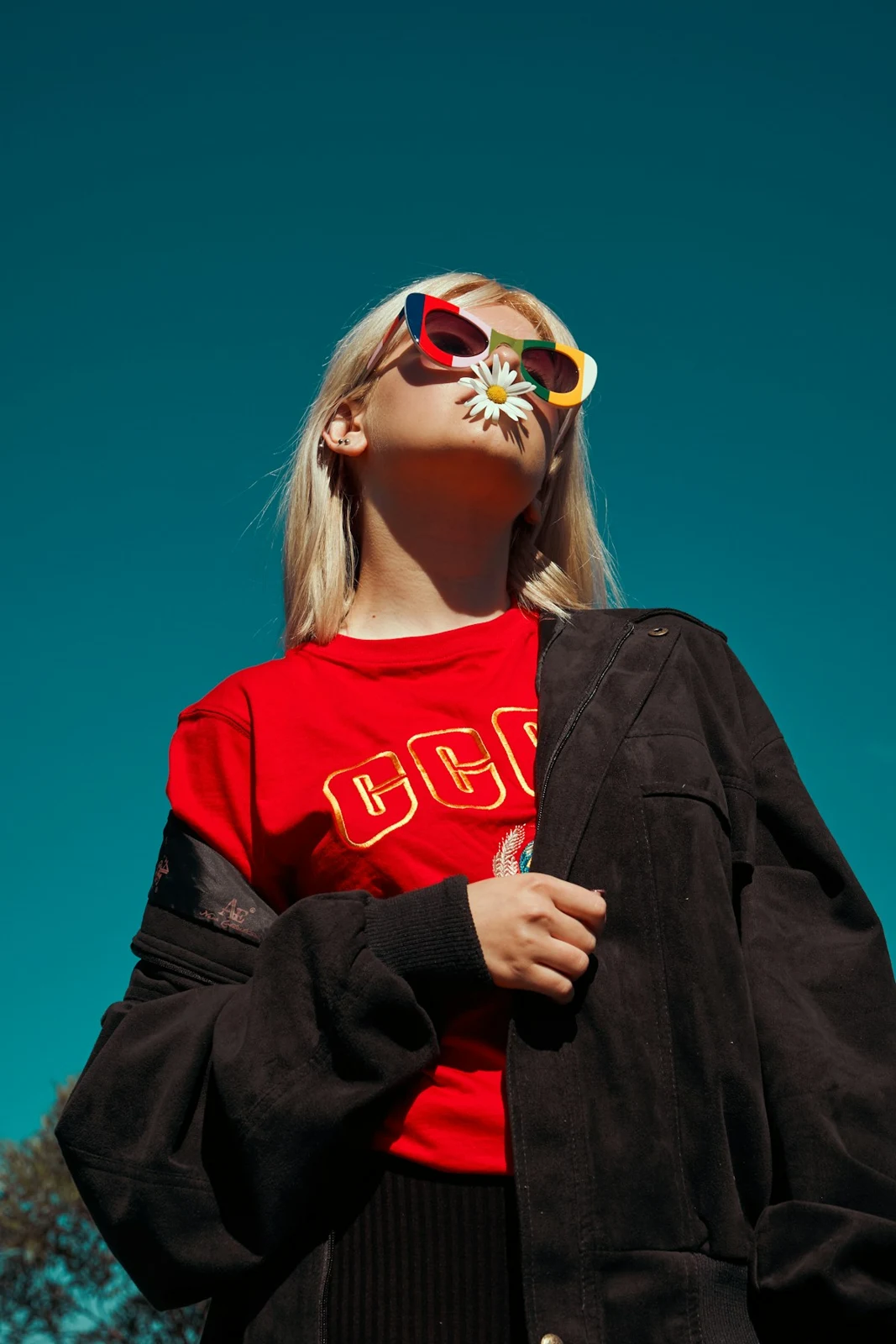
There was a time when an airport outfit seemed to mean one thing: a person needed to get on a plane. Then the internet noticed that celebrities also use airports, and a perfectly ordinary corridor became a runway with worse lighting and a much stricter liquids policy. A jacket appears. A camera appears. By lunch, people are asking whether the jacket is a clue about a film, a relationship, an album or an imaginary feud with someone who wore a different jacket last Tuesday.
To be clear, a photograph of a famous person walking through a terminal can be interesting. Clothes are a form of expression, and public figures often know exactly how to dress for a public moment. The problem begins when we treat every outfit as a signed statement. Sometimes a coat is a campaign. Sometimes it is cold. The internet would like a third option in which the coat is both a secret marriage announcement and a soft launch for a perfume. That third option tends to get the most comments.
The arrival is now part of the event
An airport photograph has a strange advantage over a formal red carpet. It appears casual, even when the person wearing the clothes has a stylist, a schedule and a very good reason to expect cameras. The red carpet announces itself as performance; the terminal borrows the language of accident. We see a suitcase, a coffee cup and an expression that might mean “I have been awake since four” or “I am launching a new era.” Viewers are invited to fill in the gap. If a brand could bottle that ambiguity, it would put a gold cap on it and charge far too much.
The setting also makes an outfit feel more reachable. Most of us will never step out of a chauffeured car at a premiere with a bank of lights waiting. We have, however, hurried through an airport wearing the wrong shoes. When a celebrity does the same in beautifully cut trousers, the picture offers a fantasy of ordinary life made editorial. It says: this is travel, only with better tailoring and fewer arguments at security. That is why the image works even if there is no grand strategy behind it.
There is room to enjoy the styling without pretending we know its purpose. A good look can be clever because of proportion, texture or a surprising colour. A bad look can still be entertaining. Neither observation requires a conspiracy board. “The boots make the outfit” is a reasonable opinion. “The boots prove an unreleased film has a winter setting” is fan fiction with a shoe budget.
From outfit to investigation
Online discussion often moves through three stages. First comes identification: where is the bag from, who made the sunglasses, can somebody find a less expensive version of the coat? Then comes interpretation: why this designer, why this colour, why now? Finally comes the leap that turns styling into biography. A ring becomes an engagement. A loose shirt becomes a pregnancy. A missing accessory becomes a breakup. Those last examples are not harmless guesses when they involve a real person’s body or private life.
Photos are unusually poor evidence for those claims. They show one angle of one moment, selected by a photographer and then selected again by the account that posts it. We do not know what happened before the shutter clicked, what was left outside the frame or why a person chose a particular garment. A caption can add context, but it can also borrow certainty from a fan theory. The safest question is not “What secret has this photograph revealed?” It is “What can this photograph actually show?” Usually, it can show the clothes and a person carrying them. That is already enough material for a fashion conversation.
This is where gentle roasting belongs. A famous person can wear a pair of enormous sunglasses indoors and we can say the glasses appear prepared to negotiate their own contract. We can notice an impractical handbag and wonder where the passport went. We do not need to invent a crisis to justify having fun with the look. Good commentary laughs at the styling, the presentation or our own fascination. It does not turn a stranger’s private life into an escape room.
The brand, the fan and the person in the middle
Brands benefit when a visible outfit becomes a story, and fan communities are excellent at noticing details. That does not make every sighting a paid placement. There is an important difference between saying an outfit created publicity and claiming a particular brand paid for it. Without a disclosure or a reliable report, the second claim is speculation. The same standard applies to theories about publicists arranging photographs. Some appearances are planned; some are not. We rarely know which from a single image.
Fans also have an understandable desire to read meaning into the details of somebody’s career. When an actor is about to promote a project, the smallest change in style can feel like a trailer before the trailer. But the person walking past the departures board is still a person who may simply want to find Gate 14. Celebrity culture becomes less strange when we remember that attention is not the same thing as consent to have every choice decoded.
Our take
Airport style deserves a place in the pop culture conversation because it tells us how fame now operates between official events. The supposedly off-duty image can travel faster than a polished campaign, precisely because it looks less controlled. That is fascinating. It is also a good reason to be more careful about the story we attach to it. Admire the tailoring. Question the tiny bag. Save the engagement announcement for the people who would actually know. If the airport outfit is a red carpet with a boarding pass, our job is to review the outfit, not demand a full flight manifest of someone’s life.
From the Salty desk
Pop culture, internet chaos, and the details your group chat missed. Served with a little bite.
More from the desk ↗