Taylor Swift’s award show reactions deserve their own award category
Why the camera keeps finding Taylor Swift at award shows, and what those reaction shots reveal about celebrity culture.
Why the reaction shot matters
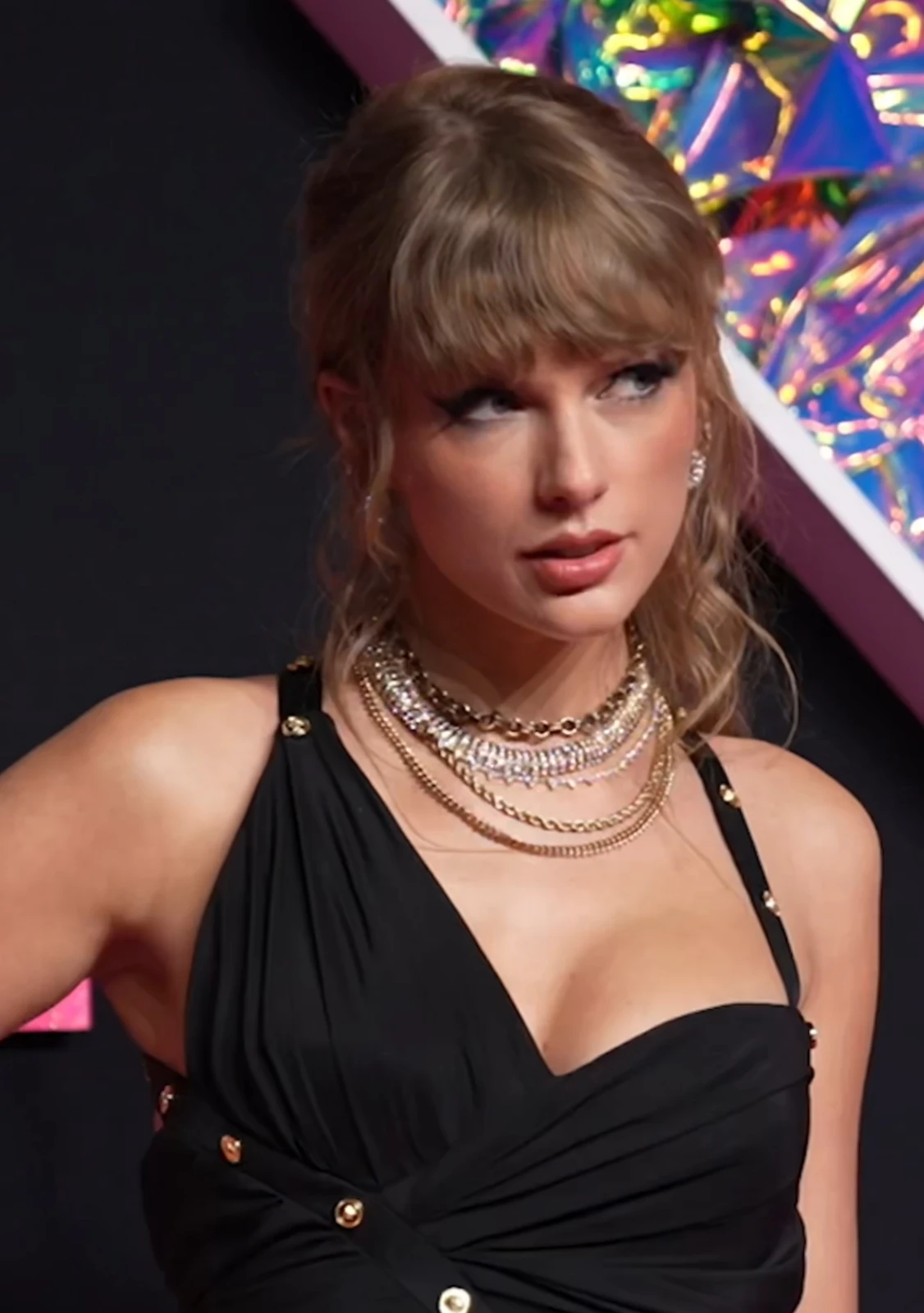
An award show has two stages: the one under the lights and the one created by the cameras in the audience. Taylor Swift understands both. A quick smile, a surprised expression or an enthusiastic singalong becomes its own tiny performance once a director cuts away from the podium.
That is part of the pleasure of watching a live ceremony. The audience is full of people whose work is being celebrated, and their responses can feel more spontaneous than the speeches. Swift is especially visible because viewers recognise her immediately and already know how much emotional meaning her fans attach to a few seconds of footage.
The internet adds a second script
After the broadcast, a reaction clip often travels without its original context. A look across the room becomes a supposed feud; applause becomes proof of an alliance. Neither conclusion follows from a camera cut. It is worth remembering that viewers see an edited selection, not the whole evening.
The better way to enjoy these moments is also the simpler one: watch a famous musician enjoy other people’s music. There is no need to turn every expression into evidence. Sometimes the most entertaining person at an award show is the one sitting in the audience.
The camera has a favourite guest
Picture the ceremony for a moment. Someone is delivering a heartfelt speech. A winner is trying to thank everyone before the music starts playing them off. Then the broadcast cuts to Taylor Swift, who is reacting like a person with actual blood in her veins rather than a wax figure that has been taught to clap. By breakfast, the reaction is a GIF. By lunch, someone has assigned it a backstory, a motive and probably a publicist. The original speech is somewhere on the internet, quietly wondering what it did wrong.
This is not a complaint about Swift enjoying herself. Honestly, more award-show audiences could benefit from looking as though they voluntarily bought a ticket. It is a complaint about the strange way a live audience becomes raw material for a second show. The director decides when to cut away; viewers decide what the cut means. Neither party has access to the person’s internal monologue. That gap is where a very entertaining, very unreliable industry of reaction analysis sets up shop.
A smile is not a sworn statement
Celebrity culture rewards confidence even when the evidence is a blurry two-second shot. A smile next to one person becomes a new friendship. A neutral expression next to another becomes a feud. Sometimes the person is simply looking at a monitor. Sometimes they are trying to hear over a room full of applause. We have all made an odd face while listening to a colleague speak; fortunately, most of us did not have our face turned into a thirty-part thread with red arrows and a theory about revenge.
The clip economy is also wonderfully selective. An hour of a person cheering for colleagues may disappear, while one ambiguous glance receives a forensic examination normally reserved for a crime drama. If you enjoy the memes, enjoy them. We do. Just leave the courtroom language at home. A fan edit is a fan edit, not an authenticated transcript of what happened between two famous people.
Let the show be a show
Swift’s visibility makes these moments travel farther than most. It also means every response can become another test she never signed up to take: Was she supportive enough, surprised enough, appropriately modest, excessively excited? The requirements change with each post. The only winning move would be to sit absolutely still, which would make for a remarkably dull night and probably start a rumour about her being furious anyway.
There is a more generous and more enjoyable way to watch. Notice the joy, notice the editing and keep the two separate. A camera cut can create a lovely moment of shared excitement without revealing a secret relationship map. At its best, an award show gives artists a chance to celebrate one another. Taylor’s reactions remind us that someone in the room may be having as much fun as the people on stage. The internet can have its jokes. It does not need to file them as evidence.
One last thing
The practical takeaway for the next ceremony is to watch the broadcast with two eyes: one on the stage and one on the choices made by the cameras. If a reaction looks surprising, wait for context before turning it into a story about someone’s private feelings. Rewatch the performance that prompted it. Ask what the edit leaves out. Enjoy a laugh if the moment deserves one. Then let the person in the audience go back to being an audience member. Award shows already have enough drama in the seating chart; we do not need to manufacture an extra season from a raised eyebrow. A good reaction shot captures a mood. It cannot reveal an entire relationship, however confidently a stranger has captioned it.
From the Salty desk
Pop culture, internet chaos, and the details your group chat missed. Served with a little bite.
More from the desk ↗