Deepika Padukone arrives and every gala dress code quietly resigns
Deepika Padukone’s gala style works through confident silhouettes, restrained details and a strong sense of occasion.
The power of a clear silhouette
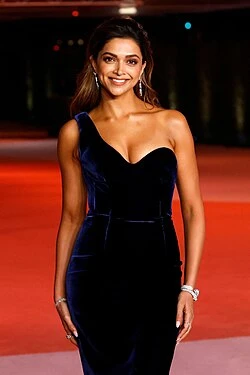
Deepika Padukone knows that a gala look has to communicate across a crowded room and a small phone screen. A clean silhouette and confident posture often do more work than a pile of accessories. The impression can be dramatic without feeling busy.
That restraint is easy to underestimate. When a dress has a strong shape, styling has to support it rather than compete with it. Hair, jewellery and make-up become part of a single image. This is why the best arrivals look complete, even in a candid photograph.
Fashion as public presence
Red carpet coverage frequently asks who “won” the night. A more useful question is what a look communicates. Padukone’s strongest appearances project assurance and an understanding of the event, whether the dress is minimal or theatrical.
We like the moments when fashion invites a closer look without requiring a scorecard. The photograph is an entry point, not the entire story. The person wearing the clothes has a career and a point of view that matter beyond one evening.
The entrance before the entrance
There is a particular kind of gala photograph that feels composed before the camera has even lifted. Deepika Padukone is good at creating that effect. The silhouette reads, the posture does its work and every detail appears to know why it has been invited. A weaker look might arrive with a dozen accessories shouting over one another. This one can often let a single shape speak while the rest of the styling remembers to take a breath.
None of that means a red carpet is effortless. It is a difficult visual environment: flashes flatten texture, angles exaggerate awkward seams, and a garment must behave while its wearer walks, turns and stops on command. A gown can be gorgeous in a studio and lose the plot completely against a busy backdrop. Coherent styling solves a practical problem as much as an aesthetic one. The audience sees the photograph; behind it is a series of choices about proportion, colour and movement.
Why “best dressed” is a small conversation
Ranking outfits is fun in the way ranking snacks is fun: everyone has an opinion, nobody has to bring evidence, and a very small dispute can last an absurdly long time. But a best-dressed list can make fashion look like a single competition with a universal scoreboard. One gala calls for theatricality, another for restraint. One person wants to surprise, another wants to feel unmistakably themselves. Calling either approach a failure because it did not win your imaginary trophy misses the point.
Padukone’s appeal is partly that she can make an outfit feel anchored in presence. The clothing is visible, but the wearer is never lost inside it. That balance is harder to describe than a colour or a designer name, which may be why commentary so often skips it. Ask what the look communicates: confidence, ease, drama, a deliberate nod to the occasion. Those answers make a better discussion than arguing whether one photograph deserves a crown made of emojis.
The image has a life beyond the carpet
An arrival shot does not stay at the event. It becomes a social post, a cropped thumbnail, a reaction image and eventually a reference for someone planning what to wear to a wedding. Context falls away at every step. The most effective looks hold together through that journey without needing an explanatory thread longer than the guest list. That is part of the craft of celebrity fashion, and it is worth acknowledging when it works.
We can enjoy a dramatic entrance without pretending it proves anything about a person’s entire career or character. It is a public style moment, neither a moral achievement nor a reason to start a feud between two fan bases. Let the gown have its night. Let the actor have the rest of her story. The dress code has survived, despite our headline’s concerns; it just had to work a little harder.
One last thing
For the next gala, try a small experiment before reading the verdicts. Look at the full image rather than a cropped reaction post. Notice the event, the shape of the outfit and how it moves. Then read two opposing opinions and see which one actually explains its reasoning. You may still choose a favourite; nobody is confiscating your fashion group chat. But the exercise turns a quick ranking into a conversation about design and personal presence. Padukone’s appearances often reward that closer view. A strong look is not a magical garment that wins by itself. It is a collaboration between clothes, styling, setting and a person who knows how to inhabit all three.
The entrance before the entrance
There is a particular kind of gala photograph that feels composed before the camera has even lifted. Deepika Padukone is good at creating that effect. The silhouette reads, the posture does its work and every detail appears to know why it has been invited. A weaker look might arrive with a dozen accessories shouting over one another. This one can often let a single shape speak while the rest of the styling remembers to take a breath.
None of that means a red carpet is effortless. It is a difficult visual environment: flashes flatten texture, angles exaggerate awkward seams, and a garment must behave while its wearer walks, turns and stops on command. A gown can be gorgeous in a studio and lose the plot completely against a busy backdrop. Coherent styling solves a practical problem as much as an aesthetic one. The audience sees the photograph; behind it is a series of choices about proportion, colour and movement.
Why “best dressed” is a small conversation
Ranking outfits is fun in the way ranking snacks is fun: everyone has an opinion, nobody has to bring evidence, and a very small dispute can last an absurdly long time. But a best-dressed list can make fashion look like a single competition with a universal scoreboard. One gala calls for theatricality, another for restraint. One person wants to surprise, another wants to feel unmistakably themselves. Calling either approach a failure because it did not win your imaginary trophy misses the point.
Padukone’s appeal is partly that she can make an outfit feel anchored in presence. The clothing is visible, but the wearer is never lost inside it. That balance is harder to describe than a colour or a designer name, which may be why commentary so often skips it. Ask what the look communicates: confidence, ease, drama, a deliberate nod to the occasion. Those answers make a better discussion than arguing whether one photograph deserves a crown made of emojis.
The image has a life beyond the carpet
An arrival shot does not stay at the event. It becomes a social post, a cropped thumbnail, a reaction image and eventually a reference for someone planning what to wear to a wedding. Context falls away at every step. The most effective looks hold together through that journey without needing an explanatory thread longer than the guest list. That is part of the craft of celebrity fashion, and it is worth acknowledging when it works.
We can enjoy a dramatic entrance without pretending it proves anything about a person’s entire career or character. It is a public style moment, neither a moral achievement nor a reason to start a feud between two fan bases. Let the gown have its night. Let the actor have the rest of her story. The dress code has survived, despite our headline’s concerns; it just had to work a little harder.
From the Salty desk
Pop culture, internet chaos, and the details your group chat missed. Served with a little bite.
More from the desk ↗