
Janhvi Kapoor at TIFF: the festival programme now has a fashion section
Janhvi Kapoor’s TIFF appearance brings together film-festival attention, fashion coverage and a wider conversation about Indian cinema.
A festival has more than one audience
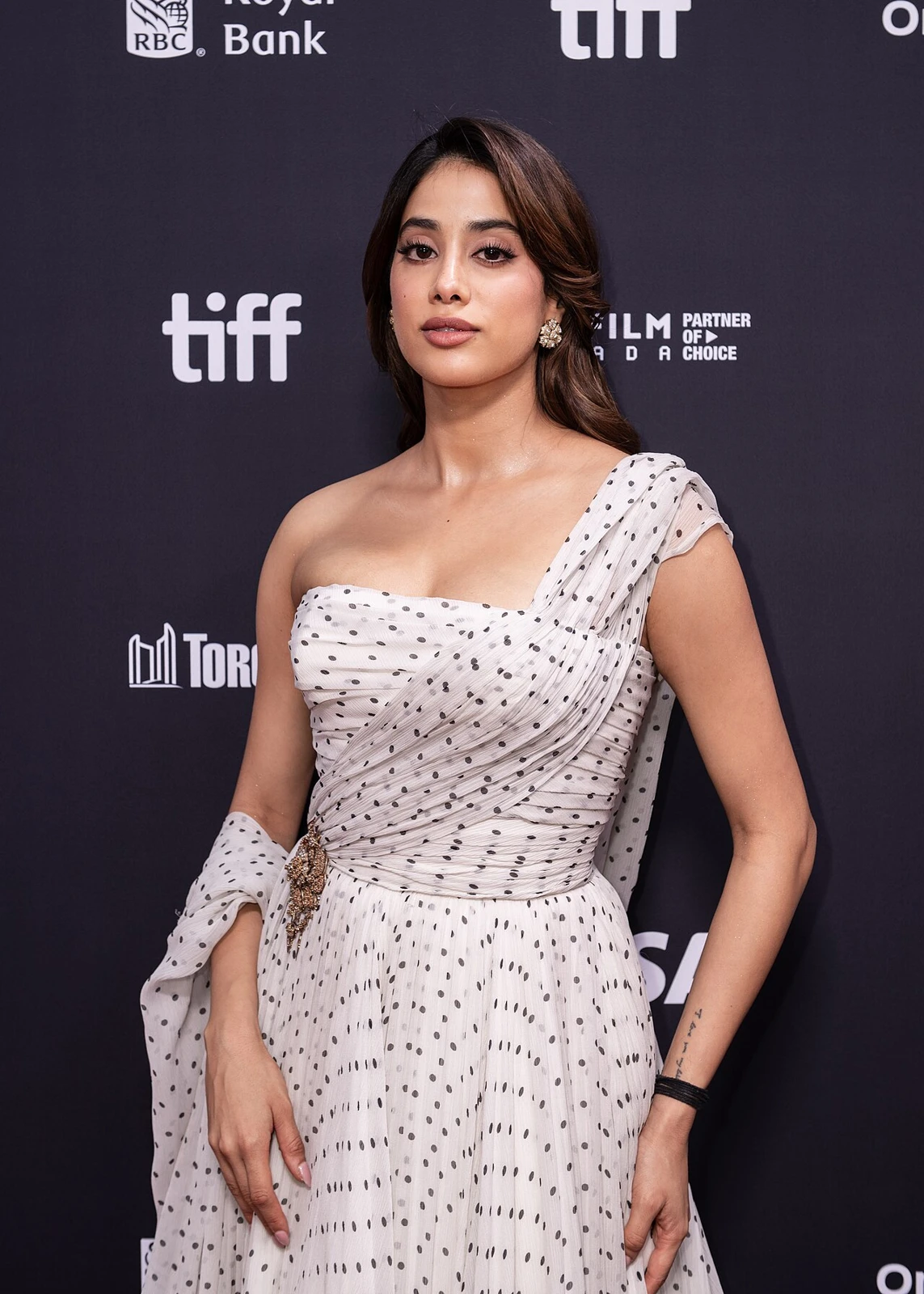
The Toronto International Film Festival is built around movies, but the arrival photographs travel to people who may never see the screening schedule. When Janhvi Kapoor appears in that setting, fashion can introduce a wider audience to a film and to the performer attached to it.
The red carpet is useful publicity, yet it can also overshadow the work. A striking outfit earns a quick share; a thoughtful conversation about a performance takes longer. Both kinds of attention can coexist if coverage makes room for the reason everyone came to the festival.
What to look for after the arrival
Our advice is to follow the image back to the programme. What film is being presented? Who made it, and what conversation does it hope to start? Those questions turn an arrival shot into a doorway rather than a stopping point.
Fashion remains part of the fun. It can signal confidence, mood and a sense of occasion. But the most satisfying festival story includes the screen as well as the carpet. That is where a beautiful photograph becomes useful cultural coverage.
The carpet and the cinema
A film festival has an unusual split personality. Inside the theatre, people settle into the dark to watch a story unfold. Outside, a line of cameras can turn thirty seconds of walking into the most widely seen image of the day. Janhvi Kapoor’s TIFF appearance sits at that crossroads. The fashion photograph travels quickly; the film conversation asks for more time and attention. One should lead readers to the other, although the internet occasionally behaves as though the screening were merely an after-party for the dress.
That is not the outfit’s fault. A good arrival look is part of the festival experience and a legitimate form of expression. Colour, silhouette and styling can convey mood before anyone has heard the first line of dialogue. We are fully capable of appreciating the clothes. We just do not want the photo carousel to eat the programme. When an actor appears at a major festival, the useful follow-up is to ask what work brought them there.
The problem with the instant verdict
Festival fashion coverage is built for speed. Someone posts a picture and a hundred people announce that the look either “served” or “failed” before a less online person has found their glasses. Those reactions can be playful, but they often leave out what makes style interesting: intention, context, detail and how an outfit works in motion. A still frame is a partial view. Judging an entire appearance from the first crop is like reviewing a film from its poster, which, to be fair, the internet also attempts.
There is a second shortcut: treating an Indian actor’s presence as a single sweeping statement about the whole national industry. The visibility matters, but each performer also arrives with a specific film, team and artistic choices. Let the individual project be part of the coverage. Representation gains substance when we can name the work rather than stopping at the fact that someone stood on an international carpet.
Follow the image back to the work
If a photograph of Kapoor catches your attention, use it as a doorway. Find the film on the programme, read about the people behind it and listen to what the actor says about the role. That sequence takes more effort than tapping “best dressed,” but it gives the appearance a real cultural setting. Fashion and film are both richer when neither is asked to stand in for the other.
Our festival rule is simple: enjoy the entrance, then stay for the reason there is a festival. The dress can start a conversation; a performance can sustain one. Toronto has enough room for both. If an outfit steals the first headline, the movie still deserves a chance to write the second.
One last thing
The next time a festival arrival takes over your feed, notice what information accompanies the photograph. Is the film named? Are the filmmakers credited? Can you find a screening, an interview or a thoughtful response from someone who watched the work? If the answer is no, the coverage has left a rather large hole where the festival should be. A beautiful outfit can draw attention; it does not have to carry the entire story alone. Kapoor’s TIFF moment is an invitation to enjoy the style and follow it toward the screen. That is a more satisfying journey than arguing about shoes for three days while the movie quietly waits to be discussed.
The carpet and the cinema
A film festival has an unusual split personality. Inside the theatre, people settle into the dark to watch a story unfold. Outside, a line of cameras can turn thirty seconds of walking into the most widely seen image of the day. Janhvi Kapoor’s TIFF appearance sits at that crossroads. The fashion photograph travels quickly; the film conversation asks for more time and attention. One should lead readers to the other, although the internet occasionally behaves as though the screening were merely an after-party for the dress.
That is not the outfit’s fault. A good arrival look is part of the festival experience and a legitimate form of expression. Colour, silhouette and styling can convey mood before anyone has heard the first line of dialogue. We are fully capable of appreciating the clothes. We just do not want the photo carousel to eat the programme. When an actor appears at a major festival, the useful follow-up is to ask what work brought them there.
The problem with the instant verdict
Festival fashion coverage is built for speed. Someone posts a picture and a hundred people announce that the look either “served” or “failed” before a less online person has found their glasses. Those reactions can be playful, but they often leave out what makes style interesting: intention, context, detail and how an outfit works in motion. A still frame is a partial view. Judging an entire appearance from the first crop is like reviewing a film from its poster, which, to be fair, the internet also attempts.
There is a second shortcut: treating an Indian actor’s presence as a single sweeping statement about the whole national industry. The visibility matters, but each performer also arrives with a specific film, team and artistic choices. Let the individual project be part of the coverage. Representation gains substance when we can name the work rather than stopping at the fact that someone stood on an international carpet.
Follow the image back to the work
If a photograph of Kapoor catches your attention, use it as a doorway. Find the film on the programme, read about the people behind it and listen to what the actor says about the role. That sequence takes more effort than tapping “best dressed,” but it gives the appearance a real cultural setting. Fashion and film are both richer when neither is asked to stand in for the other.
Our festival rule is simple: enjoy the entrance, then stay for the reason there is a festival. The dress can start a conversation; a performance can sustain one. Toronto has enough room for both. If an outfit steals the first headline, the movie still deserves a chance to write the second.
From the Salty desk
Pop culture, internet chaos, and the details your group chat missed. Served with a little bite.
More from the desk ↗