Dune: Part Two and the danger of a hero everyone believes in
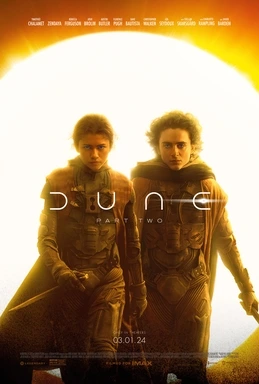
Paul Atreides, Chani and the Fremen turn Dune: Part Two into a story about power as much as spectacle.
The desert is not a blank canvas
Dune: Part Two returns to Arrakis with a question larger than whether Paul Atreides can survive. What happens when a young man’s private need for revenge becomes tied to the hopes and fears of an entire people? Legendary’s official description places Paul with Chani and the Fremen as he moves against those responsible for his family’s destruction. That is a thrilling adventure setup. It is also the beginning of a political problem the story cannot responsibly solve with a handsome silhouette against a sunset.
The scale is central to the appeal. The desert can make an individual look tiny, while the struggle over its resources and future makes every choice feel enormous. Science fiction often uses an unfamiliar world to ask familiar questions: who gets power, who pays for it and what happens when a leader’s story becomes more important than the people following him. Arrakis gives those questions physical weight. The sand is not just an expensive background; it is part of the conflict.
A hero story with an uncomfortable edge
Paul is easy to frame as a destined hero. He has loss, purpose and the visual language of epic cinema on his side. But a thoughtful reading should remain alert to the danger of treating prophecy as permission. A crowd’s belief can lift a person into authority faster than wisdom can catch up. Revenge may feel morally clear at the beginning and become harder to separate from ambition as its consequences grow.
Chani’s place in the story matters for that reason. The official premise puts love and the fate of the known universe in tension. That phrasing could sound like a grand romantic tagline, but it points to a real choice about whose judgment Paul values when his path becomes political. A relationship is more interesting when the other person can question the hero’s story rather than simply admire it. If nobody near a chosen figure is allowed to disagree, the audience should become nervous.
The Fremen are not scenery for Paul’s self-discovery. Their lives, knowledge and resistance give the world meaning beyond his family’s loss. A useful discussion of the film keeps that collective stake in view. It is easy for a giant production to make audiences focus on one face and one destiny. The richer story asks what happens to the people whose home becomes the stage for that destiny.
Spectacle should make the ideas visible
Big-screen science fiction can overwhelm with scale. Sometimes that is the point: a vast landscape or a massive machine tells us what kind of power is being exercised. The visual design is most valuable when it serves the question underneath. Does an image make the audience feel the cost of conflict, or only its grandeur? Does a battle clarify a choice, or simply make it louder? Those are more useful questions than how many grains of sand a computer rendered.
This article is a thematic analysis, not a scored viewing review. The earlier demo rating has been removed because a star score should come from an actual editorial screening. The reason to return to Dune: Part Two is clear enough without one: its premise places intimacy, revenge, faith and political power in the same unforgiving landscape. Paul may want a simple path forward. Arrakis, quite sensibly, refuses to give him one.
One more thought
For a closer reading, watch how the story positions Paul beside the people who believe in him. Is he being heard as a person, or as a symbol onto which others place their hopes? When those hopes conflict with Chani’s judgment, the film’s emotional and political strands meet. That is more compelling than simply asking whether Paul is a “good guy.” Epic cinema is excellent at making power look beautiful. Dune is most interesting when viewers notice the danger within that beauty. A giant screen can make a hero’s journey feel inevitable; the story asks what the journey costs and who did not get to choose it. We have deliberately removed the old sample score. A proper review would require an editorial screening and a specific assessment of the film’s performances, pacing and visual choices. This piece gives the thematic context without pretending that research is the same thing as watching.
Film facts: official film page.
From the Salty desk
Pop culture, internet chaos, and the details your group chat missed. Served with a little bite.
More from the desk ↗